Boxing for Stress Relief and Fitness
Fifteen minutes of daily punching bag work delivers moderate-to-vigorous cardiovascular exercise, full-body coordination practice, and a documented reduction in perceived stress. The advantage over most home exercise is adherence: a bag standing in your living room removes almost every excuse between deciding to train and training.
What bag work does physically
Punching a bag is unusual among home exercises in being genuinely full-body. A correctly thrown cross starts at the back foot, rotates through the hip and torso, and finishes at the fist. The arm is the last thing involved, not the first.
Sustained round-based bag work sits comfortably in the moderate-to-vigorous intensity range for most adults, raising heart rate to a level comparable with running. A solid 30-minute session burns roughly 300–450 calories depending on bodyweight and effort — and round-based training tends to burn more than continuous hitting, because the short rests let you sustain a higher output overall.
Alongside the cardiovascular work you get three things that most home cardio does not provide:
- Rotational core loading. Every punch is a trunk rotation under load. Very little else you can do in a living room trains this.
- Coordination and timing. Hitting a moving target with a moving body is a genuine motor skill, and skill acquisition keeps training interesting in a way that repetition alone does not.
- Shoulder endurance. Holding your hands up for three minutes is harder than it sounds, and it carries over to posture more than you would expect.
Why it works on stress
Two separate mechanisms, and they compound.
The first is straightforwardly physiological. Regular moderate-to-vigorous exercise lowers circulating stress hormones over time and improves sleep quality, and better sleep improves stress tolerance the following day. None of this is specific to boxing — any consistent cardiovascular exercise does it.
The second is more specific to bag work: it fully occupies your attention. You cannot rehearse an argument from work while timing a three-punch combination on a moving target. The task demands enough of your focus that rumination simply stops for the duration. For a lot of people this interrupt is the more valuable half.
The bag does not care about your day. It just sits there being a problem you can solve with your hands, and for twenty minutes that is enough.
There is also something to the physicality itself. Hitting things hard is a fairly direct outlet, and having a legitimate place to do it is not nothing. That is not a clinical claim — but it is the reason a great many of our customers give when we ask what brought them in.
The real advantage: you actually do it
The best exercise programme is the one you keep doing. This is where a bag at home beats almost everything else, and it is worth being explicit about why.
| Barrier | Gym membership | Bag at home |
|---|---|---|
| Travel time | 20–40 min round trip | None |
| Getting changed | Required, twice | Optional |
| Opening hours | Fixed | Whenever you have 20 minutes |
| Minimum useful session | ~45 min to justify the trip | 10 minutes still counts |
| Ongoing cost | $80–150 per month | One-off |
| Weather / feeling unmotivated | Usually decisive | Rarely decisive |
That last row is the one that matters most over a year. Every barrier between deciding to train and training is a point where the decision can reverse. A bag standing in your living room removes almost all of them, and the ten-minute session you do on a bad day is worth far more than the perfect hour you skipped.
What to expect, week by week
- Week 1. Sore shoulders, sore knuckles, and your hands will drop after ninety seconds. All normal. Wrap properly and keep the sessions short.
- Weeks 2–3. Coordination improves noticeably — combinations start to flow rather than arriving as separate punches. Most people report sleeping better by this point.
- Weeks 4–6. Cardiovascular improvement becomes obvious. Rounds that were hard are now manageable, and you will want to add one.
- Months 2–3. Visible conditioning changes, particularly across the shoulders and back. Punches feel meaningfully harder, which is mostly technique rather than strength.
- Beyond. The limiting factor becomes boredom, not fitness. This is when learning actual technique — rather than just hitting — starts to matter.
Starting from nothing
You need three things and about twenty minutes of instruction:
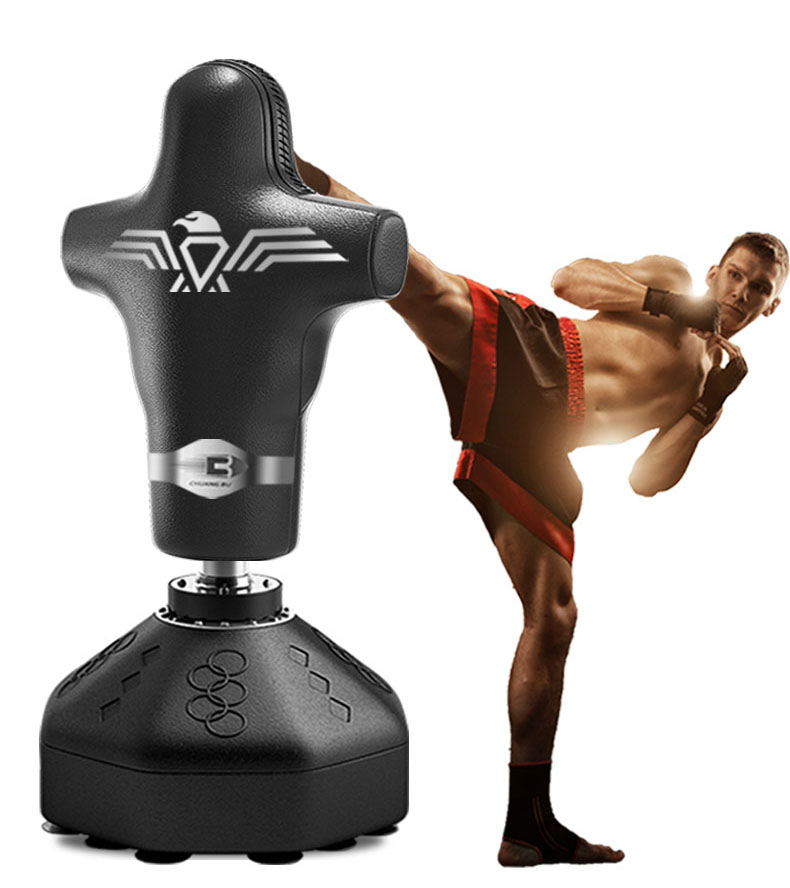
- A bag. If you can drill, a hanging bag. If you cannot, a standing bag. The comparison guide settles it in five minutes.
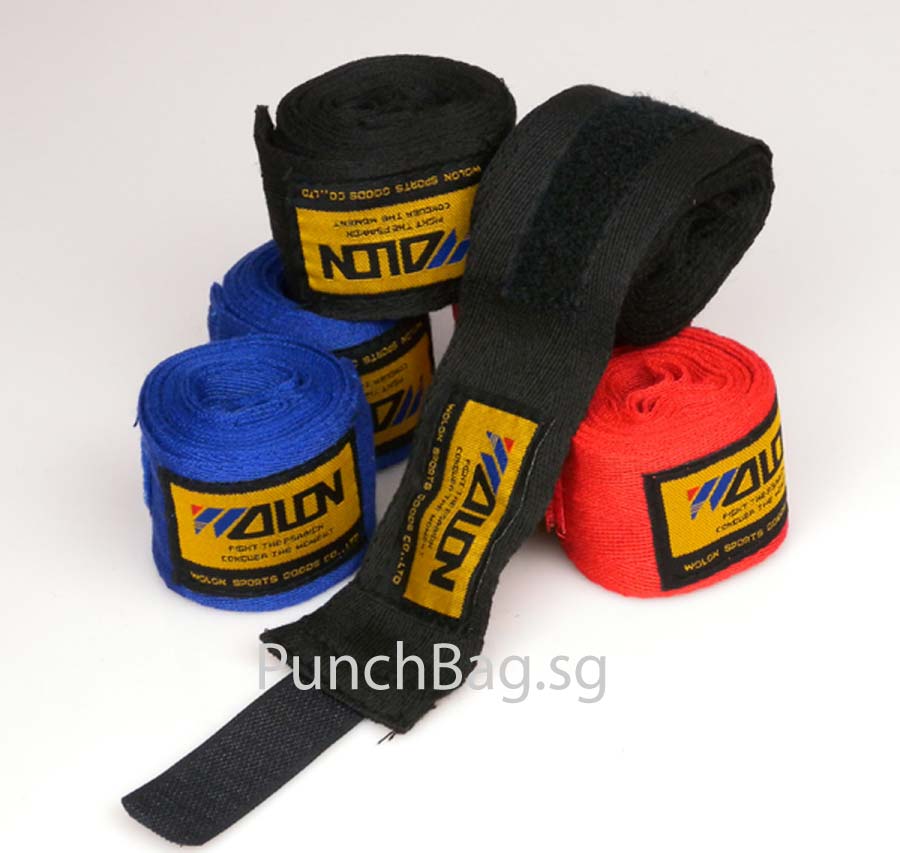
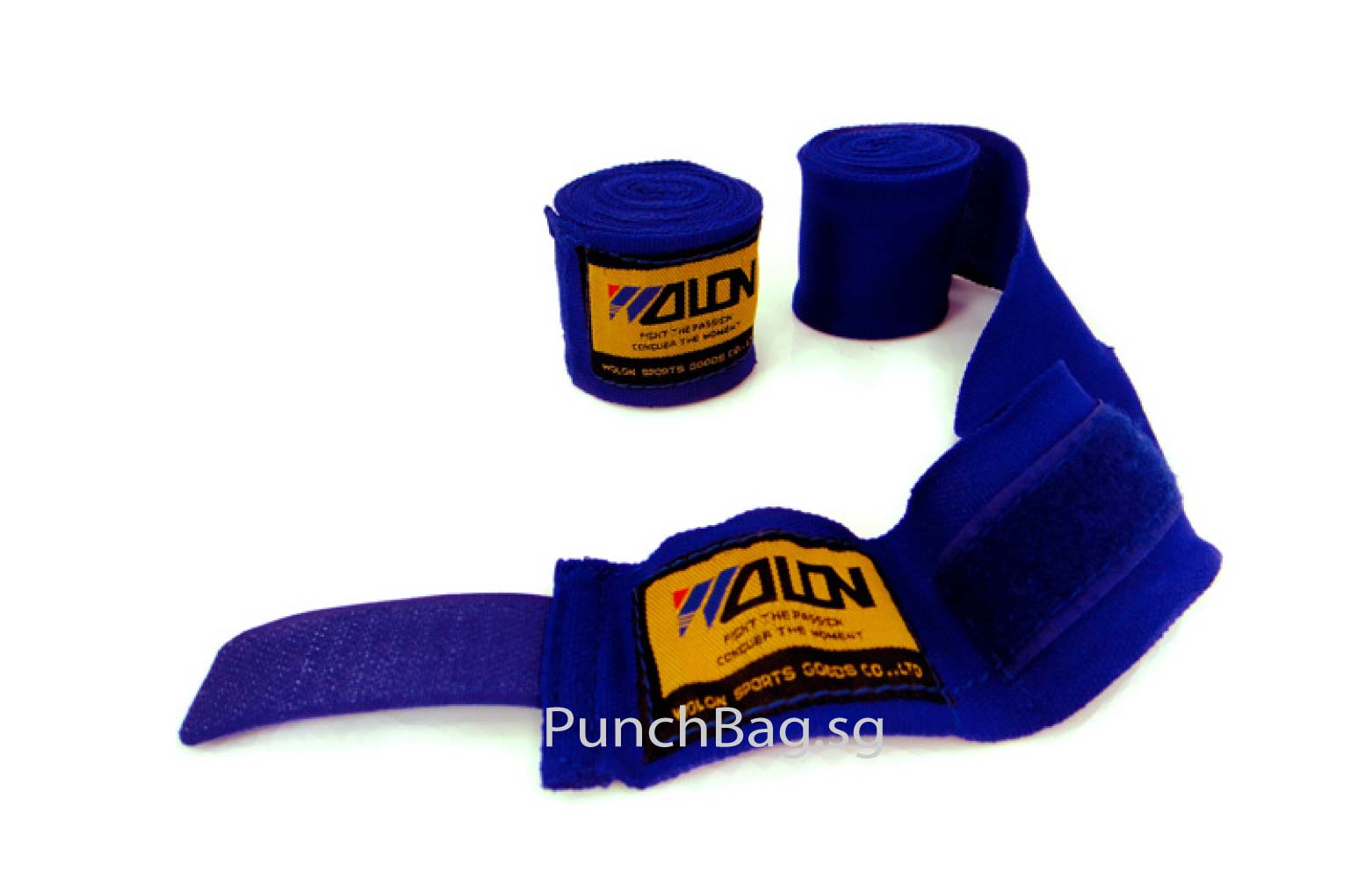
- Hand wraps. $8 each, and non-negotiable — two come free with any bag. Learn to use them properly before your first real session.
- A structure to follow. Our six-round beginner workout is written for exactly this starting point.
You do not need to learn to box to get the benefit. You need enough technique to keep your wrist straight and your fist aligned — beyond that, everything is refinement you can pick up gradually.
This is general fitness information, not medical advice. If you have a heart condition, a shoulder or wrist injury, or you are returning to exercise after a long gap, have a word with your doctor first.
Call +65 6372 1581, email hello@punchbag.sg, or come to the showroom and ask in person. We would rather talk you out of the wrong bag than sell you one.