Punching Bag Noise: Training Without Annoying the Neighbours
Punching bag noise travels as structural vibration through concrete, not as airborne sound, which is why neighbours two floors away can hear it. The fixes that work are: a thick rubber mat under the bag, choosing a free-standing bag over a wall-mounted one, and training between 9am and 9pm.
Why the noise travels so far
The sound of a punch landing is not the problem. Airborne noise from bag work is modest — comparable to a normal conversation, and a closed door handles most of it.
What reaches your neighbours is structure-borne vibration. Every impact sends a pulse into whatever the bag is attached to. Reinforced concrete conducts that pulse extremely efficiently, and an HDB block is essentially one continuous concrete structure. The result is that a neighbour two floors down hears a rhythmic thud with no obvious source — which is considerably more irritating than a noise you can identify.
This is why the usual advice about soundproofing rooms does not help. Acoustic foam on the walls does nothing about vibration travelling through the slab. You have to interrupt the vibration path itself, or stop putting energy into it.
Eight fixes that work
- Put a thick rubber mat under the bag. 20mm or heavier gym flooring, extending well beyond the bag's footprint. For a free-standing bag this is the single most effective thing you can do — it decouples the base from the slab and absorbs a large share of the impact energy.
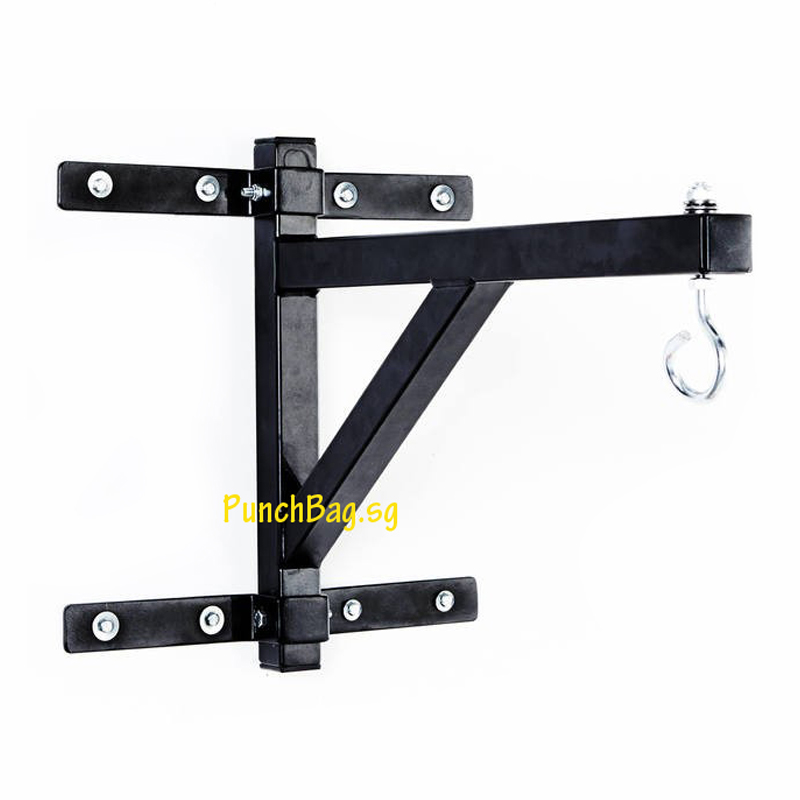
- Choose a free-standing bag over a wall-mounted one. More on this below, but it is the biggest lever available.
- Do not mount to a party wall. If you must use a wall bracket, pick an external wall rather than one shared with a neighbouring unit. It will not eliminate transmission, but it changes who receives it.
- Add rubber washers at the bracket interface. Dense rubber between the bracket plate and the wall interrupts some of the direct coupling. It is a modest improvement, not a cure, but it costs almost nothing.
- Train in shorter blocks. Twenty minutes of bag work is far less likely to generate a complaint than ninety. Sustained rhythmic noise is what people find intolerable — brief bursts register as background.
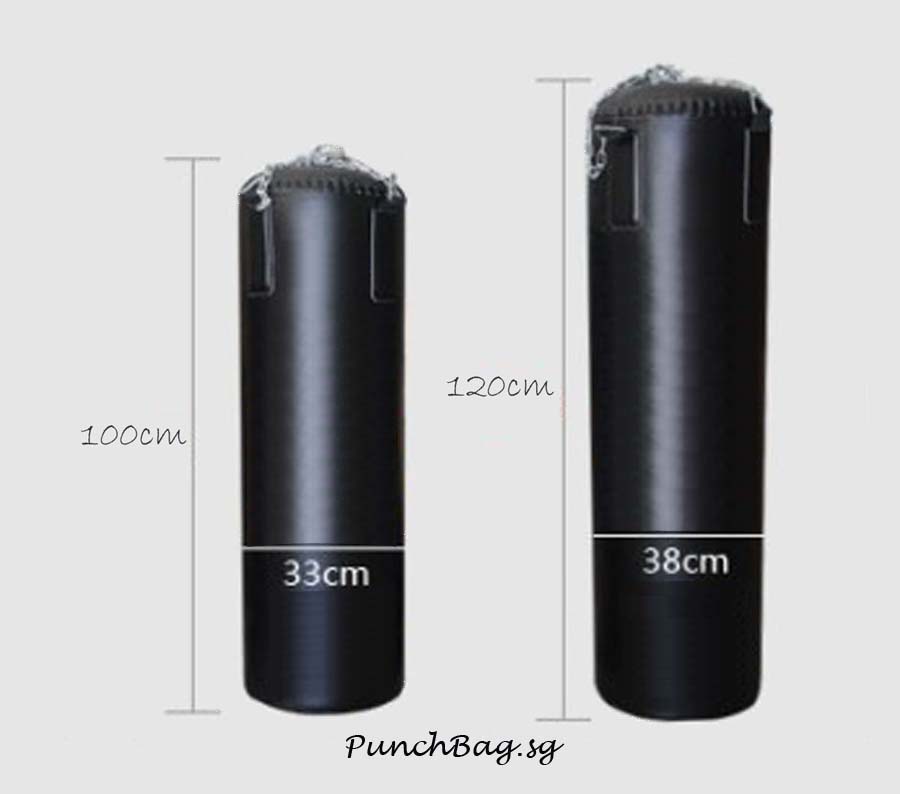
- Do not over-size the bag. More mass means more energy into the structure per punch. Our 25kg bag is a considerably friendlier neighbour than the 40kg-plus bags sold elsewhere, and for home training it is rarely worth the trade.
- Keep the hardware tight. A loose chain link or a bracket bolt that has worked free adds a metallic rattle on top of the thud — and that rattle carries even better than the impact does. The maintenance guide covers what to check.
- Talk to the neighbours first. Genuinely the highest-return item on this list. A two-minute conversation before you start — what it is, when you plan to train, and an open invitation to tell you if it becomes a problem — prevents most disputes outright. People tolerate a great deal from someone who asked.
Bag choice makes the biggest difference
Follow the load path. That is what determines where the energy ends up.
| Setup | Where the force goes | Can you interrupt it? |
|---|---|---|
| Wall-mounted hanging bag | Straight into a structural wall | Barely — the wall is the mount |
| Ceiling-mounted bag | Into the slab above | No (and not permitted anyway) |
| Free-standing frame | Into the floor via the frame feet | Yes — mat under the feet |
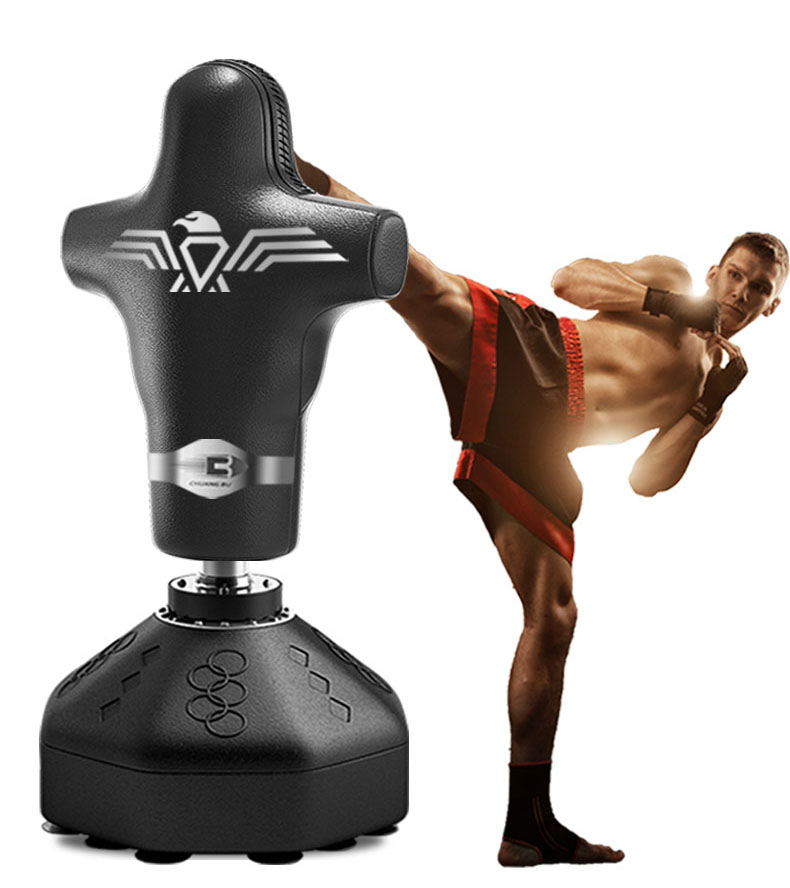
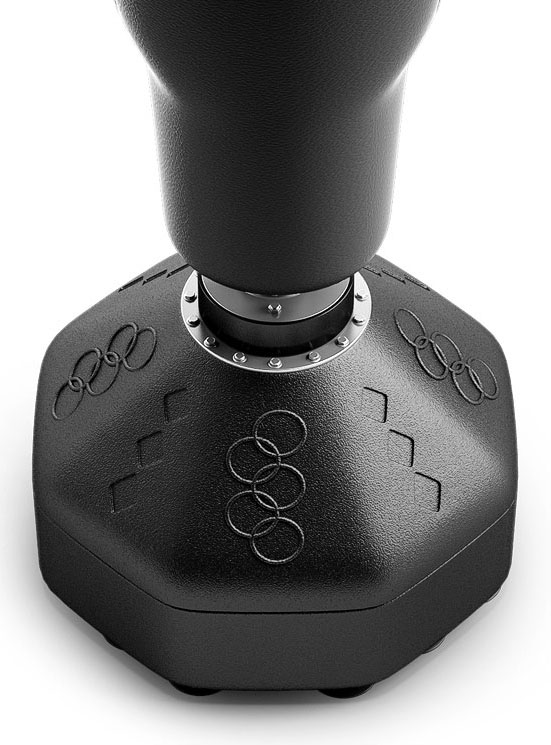
| Standing bag (BOB) | Into its own weighted base on the floor | Yes — mat under the base |
A wall-mounted bag is bolted rigidly to the thing you are trying not to shake. There is no material you can insert afterwards that meaningfully changes that. A standing bag, by contrast, ends its load path in a base resting on your floor — and a floor is something you can put rubber on.
If you live in an HDB flat, share a wall with someone, and noise is a real concern, the bag type decision is effectively made for you. Buy the standing bag.
Sensible training hours
Singapore has no rule specific to punching bags, but there are widely accepted norms for residential noise, and complaints tend to follow them closely.
- Reasonable: 9am to 9pm on weekdays and Saturdays
- Be more careful: Sundays and public holidays, when people are home all day
- Avoid entirely: before 8am and after 10pm, any day
Early mornings are the most frequent source of trouble. A 6:30am session before work seems considerate — you are being quiet in every other respect — but it is precisely when a rhythmic thud through the ceiling is least welcome.
If a complaint arrives
Take it seriously the first time. Noise disputes escalate badly in Singapore, and the formal routes — the town council, and ultimately the Community Disputes Resolution Tribunal — are slow, public and unpleasant for everyone involved.
The practical sequence:
- Respond quickly and in person. Ask when it is worst for them. Often the issue is a specific time rather than the training itself.
- Make a visible change. Add the mat, shorten the sessions, shift the hours. Being seen to act matters as much as the acoustic result.
- Check back after a week. This is what turns a complaint into a resolved matter rather than a standing grievance.
- If it persists, reconsider the setup. Moving from a wall bracket to a standing bag on a thick mat solves nearly every case that survives the first three steps.
Tell us your flat type, which walls you share and when you plan to train, and we will tell you honestly which setup will keep the peace. Call, write to us, or come to the showroom.
Call +65 6372 1581, email hello@punchbag.sg, or come to the showroom and ask in person. We would rather talk you out of the wrong bag than sell you one.